In Bolinas, a Water Meter Can Be Worth More Than the View
August 13, 2026
August 13, 2026
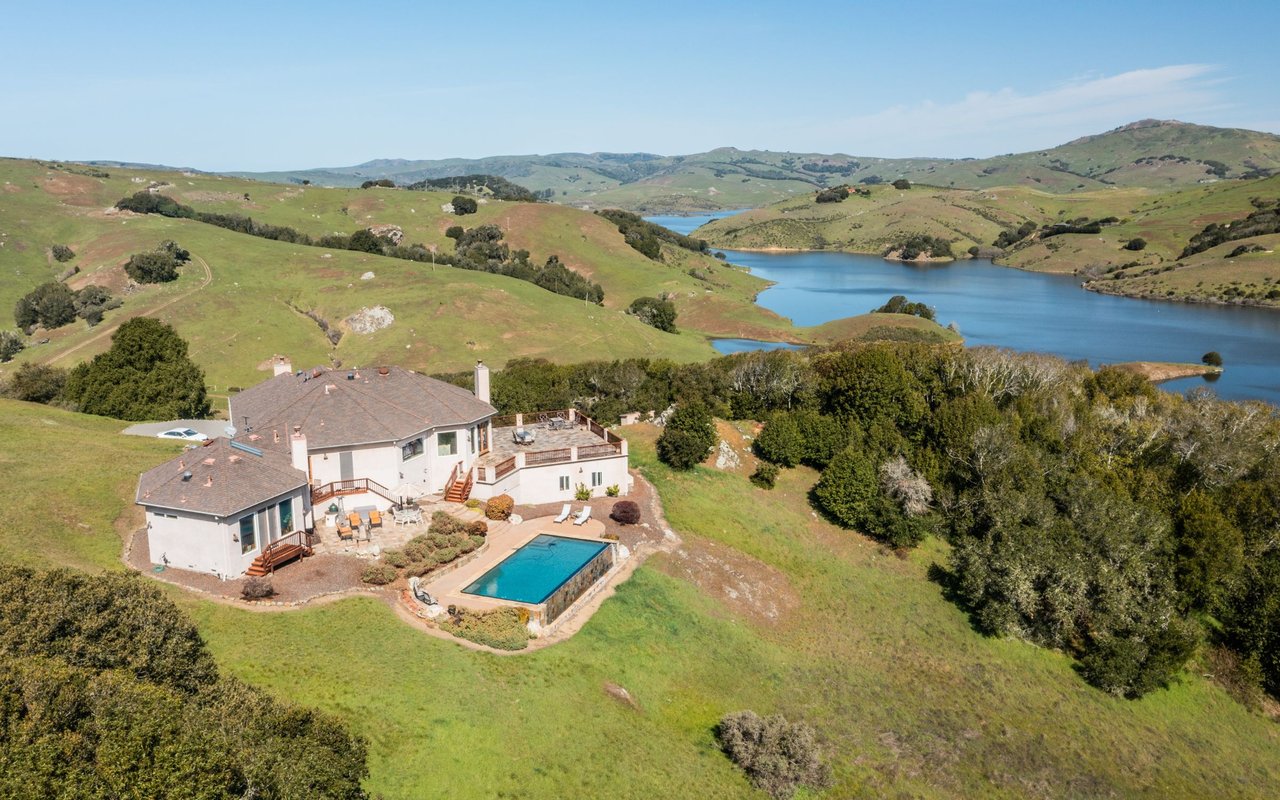
A 2.45-acre bluff parcel came on the market recently with what should be the best selling point in West Marin: a sweep of open Pacific from the edge of the lot down to the beach below. The listing includes a water meter. That detail matters in Bolinas.
Here is the claim this piece is going to make, and then back up: in Bolinas, the number that determines what a property is worth has almost nothing to do with the house, the lot size, or the view. It comes down to a single line item that dates to 1971 and hasn't moved since. If you're comparing Bolinas to Stinson Beach or Inverness using square footage and median price, you're comparing the wrong things.
The Bolinas Community Public Utility District still states, on its own site, that the moratorium on new water connections it enacted in November 1971 "is still in effect and should be taken into consideration when contemplating the purchase of undeveloped real estate." That sentence has not needed updating in over five decades.
The origin is specific enough to be worth knowing before you tour a single house. An oil spill off Bolinas in January 1971 drew volunteers from around the Bay Area to help clean oiled birds along the shoreline, and according to reporting in the Baltimore Sun, some of those volunteers stayed. By the end of that year, a slate of newly elected, growth-skeptical board members had taken a majority on the water district and moved almost immediately to freeze new hookups. The freeze held through a state lawsuit, a federal lawsuit, and a Pacific Legal Foundation challenge in the 1980s that reportedly cost the district close to $2 million to defend. It held through the drought years of the 2000s. The district's own water moratorium page states plainly, without qualification, that the freeze remains in force today.
BCPUD general manager Jennifer Blackman put it simply in a Point Reyes Light retrospective: "Things haven't really changed since then. The water source is still the same water source." That single sentence is the whole market thesis in miniature. Everything downstream, pricing, days on market, what a lot is even allowed to become, traces back to a creek flow that hasn't grown.
The number most consistently cited across two decades of reporting is 580 water meters serving the entire town. A 2022 count in the Pacific Sun put the figure slightly higher, at 587. Either way, the count has been essentially frozen for longer than most Bolinas homeowners have been alive.
The Point Reyes Light reported that new construction, when a meter is available to pair with it, is typically capped at 224 gallons a day. That number matters because it is not uniform. Reporting on a since-approved rule change described one Bolinas property, a former restaurant now used as affordable housing, still carrying a grandfathered allocation of 1,126 gallons a day, five times the standard allowance, simply because of what stood on the lot before 1971. Two parcels of identical size can carry entirely different water rights depending on history that predates the current owner by half a century. That is not something a listing photo, or a school rating, or a walkability score is ever going to tell you.
Because meters are the scarce asset, not the houses, they have occasionally changed hands on their own, without land or a structure attached. The public record on these sales tells its own story about how thin this market really is:
Read in sequence, that is not a steady climb. It is three data points across less than a decade, each one set by whoever happened to be bidding that particular year. That pattern, a handful of transactions setting the going rate for everyone else, is the same pattern showing up in Bolinas home prices right now.
Public listing trackers currently disagree with each other on Bolinas by margins that would be alarming in almost any other market. Over the three months ending in April 2026, Redfin's data put the median sale price at $937,000, a figure the platform itself flagged as down 58.8 percent from the same period a year earlier. In that same month, Homes.com reported a 12-month median sale price of $2,000,000, up 11 percent year over year, with a current median list price of $2,125,000 and homes sitting a median of 107 days on market against a 55-day national average. By June 2026, Movoto listed the median asking price at $2.49 million and $1,198 per square foot, both down sharply from the platform's own year-earlier figures.
None of those numbers is wrong. They are measuring a town capped at a few hundred water-connected properties total, where BCPUD's own count has held at roughly 580 meters for over five decades. In a pool that small, a handful of closings can swing a published median by more than half in either direction, and the median stops functioning as a market signal and starts functioning as a description of whichever few houses happened to close. That is the same mechanism behind the meter sale history above. Small sample, big swings, and a headline percentage that tells you far less than it appears to.
The practical takeaway is not that Bolinas is crashing or booming. It is that comparing a percentage change in Bolinas to the same percentage change in a market with normal transaction volume is comparing noise to signal.
The moratorium has flexed exactly once in a meaningful way, and even then it did not lift. According to the Point Reyes Light, in January 2020, the BCPUD board voted 4 to 1 to let the Bolinas Community Land Trust swap water allocations between properties it owns and stack more than one meter on a single parcel, a change built specifically to unlock a planned affordable housing project at 31 Wharf Road, next to Smiley's Schooner Saloon. Board member Vic Amoroso, the lone dissenting vote, warned the change "opens up a whole can of worms." Board member Lyndon Comstock countered that the resolution "did not do anything to change the moratorium," calling it "just a question of allowing more flexibility for the use of the water meters for affordable housing." Land trust executive director Arianne Dar welcomed the exception while acknowledging its limits: "No one wants to break the water moratorium in any way."
Even a project built around housing scarcity, championed by a nonprofit, backed by a majority of the board, required a formal rule amendment and a contested vote just to reshuffle allocations that already existed. Nobody added a single new meter. That is how durable this constraint is.
If you're weighing a Bolinas property against something in Stinson Beach or Inverness, the checklist looks different than the standard comparison of price per square foot:
None of this makes Bolinas a bad place to buy. It makes it a place where the water meter attached to a specific parcel, not the county-wide median, is the number worth asking about first.
Does every Bolinas listing disclose whether it has an active water meter? Disclosure practices vary, and a community group tracking Bolinas land use has noted that buyers should not assume resource use is fully spelled out in every listing. Confirming meter status directly with BCPUD before writing an offer is the safer path.
Can a buyer simply drill a well instead of securing a meter? Not straightforwardly. Marin County has a distinct permitting policy for wells on the Bolinas gridded mesa, and converting an existing agricultural well to residential use has historically involved its own legal complications rather than serving as an easy bypass of the moratorium.
Does a water meter automatically transfer when a house sells? The district's own resolutions govern how allocations can be modified, transferred, or stacked, as seen in the 2020 exception carved out for affordable housing. Any buyer relying on a specific allocation amount should verify it with the district rather than assuming it carries over unchanged.
A house is easy to photograph. A gallon-per-day allocation from 1971 is not, and it is the number that actually decides what a Bolinas property can become. If you're comparing towns along this stretch of coast, that is the fact worth understanding before the median price ever enters the conversation.
If you're weighing a Bolinas parcel against other options across West Marin, B.G. Bates has spent decades working through exactly these kinds of local land use questions, from water allocations to septic capacity to what a specific mesa lot can and cannot support. Begin your West Marin story. Connect with B.G. Bates before you write an offer, not after.
This article is general information, not legal, tax or financial advice. Consult a qualified professional about your situation.


B.G. is dedicated to her community and continues to be a known resource with a unique and knowledgeable perspective on all aspects of West Marin.